
ディベート (主張・根拠・反論)
最終確認日:
この章で学ぶこと
ディベート (debate) は一定の論題 (motion) について 賛成側 (proposition / affirmative) と 反対側 (opposition / negative) に分かれ、 制限時間内に論理の強さを競う知的スポーツです。 国連や国際会議の議論、 国際ニュースの取材、 国公立二次・難関私大の自由英作文 (賛成・反対を述べよタイプ) と直結する力が養わわれます。
第 4 章では、 高校 〜 大学で最も行われる Parliamentary debate (議会形式) を中心に、 主張の構築・根拠の提示・反論への応答を学びます。
- ディベートの基本構造 (motion / sides / speeches / judges) を理解する
- AREA フレーム (Assertion / Reasoning / Evidence / Application) で主張を構築できる
- POI (Point of Information) の出し方・受け方を知る
- rebuttal (反論) の 4 段階を使える
ポイント: ディベートの目的は 「相手を打ち負かす」 ではなく 「より説得力のある議論を構築する」 こと。 感情的にならず、 ルールと論理の中で戦います。
1. 競技ディベートの基本構造
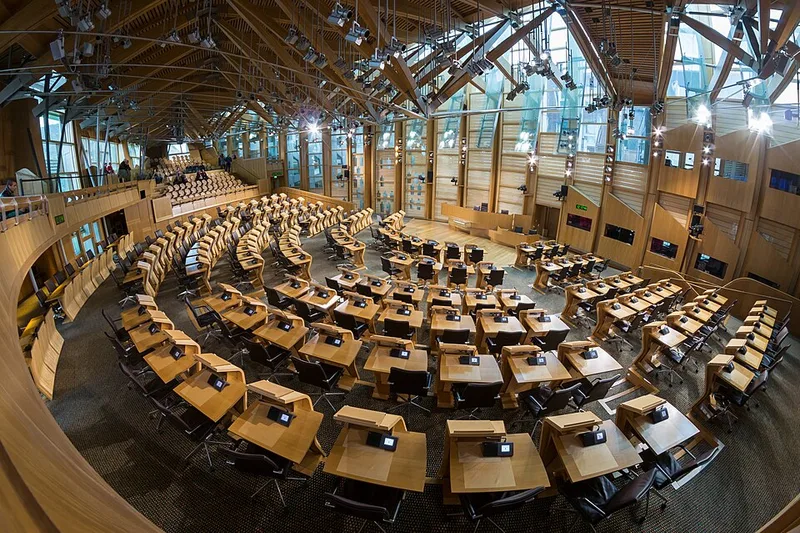
Motion (論題) の種類
| 種類 | 例 |
|---|---|
| Policy (政策) | This House would ban single-use plastics. |
| Value (価値) | This House believes that economic growth is more important than environmental protection. |
| Fact (事実) | This House believes that AI will replace most office jobs by 2050. |
"This House" (本議会 = THW) はディベートの慣用句で、 「議場として」 「私たちとして」 の意味です。
役割 (British Parliamentary Debate の例)
| サイド | チーム | 第 1 スピーカー | 第 2 スピーカー |
|---|---|---|---|
| Government (賛成) | Opening Government | Prime Minister (PM) | Deputy PM |
| Opposition (反対) | Opening Opposition | Leader of Opposition (LO) | Deputy LO |
| Government (賛成) | Closing Government | Member of Government | Government Whip |
| Opposition (反対) | Closing Opposition | Member of Opposition | Opposition Whip |
各スピーチは 7 分、 計 8 スピーチで合計約 60 分。 高校ディベートでは簡略化した 4 vs 4・各 4 分 形式が一般的です。
2. AREAフレームで主張を構築
主張を説得力を持たせるための黄金パターンが AREA です。
| 略 | 意味 | 例 (motion: ban single-use plastics) |
|---|---|---|
| A | Assertion (主張) | We should ban single-use plastics. |
| R | Reasoning (理由) | Because they cause severe ocean pollution. |
| E | Evidence (証拠) | A 2023 UN report estimates that 11 million tons of plastic enter the ocean every year, killing over 100,000 marine animals. |
| A | Application (適用) | Therefore, banning single-use plastics is the most effective policy to protect marine ecosystems. |
大事: 高校生がよく飛ばすのが R (Reasoning) と A (Application)。 「statistic を言い放し」 は説得力を持ちません。 「なぜその数字が motion を支えるか」 を必ず説明します。
AREA で書いた段落例
Banning single-use plastics is essential to protect marine life. (Assertion) When plastic bottles, straws, and bags enter the ocean, they break down into microplastics that fish and seabirds mistake for food, leading to mass starvation. (Reasoning) According to a 2023 United Nations Environment Programme report, 11 million tons of plastic enter the ocean every year, and over 100,000 marine animals die annually from plastic ingestion. (Evidence) Therefore, immediate legislative action is necessary to prevent the collapse of marine ecosystems within a generation. (Application)
訳: 使い捨てプラスチックの禁止は海洋生物を守るために不可欠である。 プラスチックボトル・ストロー・袋が海に入ると、 マイクロプラスチックに分解され、 魚や海鳥が餌と間違えて食べ、 大量餓死を招く。 2023 年の国連環境計画報告書によると、 毎年 1100 万トンのプラスチックが海に入り、 10 万を超える海洋動物がプラスチック摂取で死亡している。 したがって、 海洋生態系の 1 世代内の崩壊を防ぐためには即時の立法行動が必要である。
3. スピーチの構成
1 スピーチ = 「Roadmap → Argument 1 → Argument 2 → Conclusion」
| パート | 時間 (4 分スピーチの場合) | 内容 |
|---|---|---|
| Greeting & Roadmap | 15 秒 | "Honourable judges, I will argue two points: first..., second..." |
| Argument 1 (AREA) | 1 分 30 秒 | 1 つ目の論点 |
| Argument 2 (AREA) | 1 分 30 秒 | 2 つ目の論点 |
| Rebuttal (反論 — 第 2 スピーカー以降) | 30 秒 | 相手の論点への反論 |
| Conclusion | 15 秒 | "For these reasons, this House should..." |
強いスピーチの始まり方
| パターン | 例 |
|---|---|
| Anecdote (逸話) | Imagine a sea turtle, struggling for breath because a plastic straw is lodged in its nostril. This is not fiction. |
| Statistic | Every minute, the equivalent of one garbage truck of plastic is dumped into our oceans. |
| Question | What kind of planet do we want to leave for our children? |
4. POI (Point of Information) — 議論中の質問
POI は 相手のスピーチ中 に 「ちょっと質問いいですか?」 と立ち上がり、 短い質問をする議場ルールです。
POI の出し方
- スピーチの 最初と最後の 1 分を除く 中間でのみ出せる
- "Point of Information!" と言って立ち上がる
- 相手が accept すれば質問 (15 秒以内)、 decline すれば座る
- 良い POI: 相手の論理の弱点を突く、 矛盾を指摘、 不都合な数字を提示
POI 例
A のスピーチ中: "Banning plastics will create thousands of new jobs in the recycling industry."
B (POI): "But what about the 200,000 people currently employed in the plastic manufacturing industry — won't they lose their jobs?"
POI を受けた時の対応
| 戦略 | 例 |
|---|---|
| Accept and counter | "Good question. Yes, but our policy includes a 5-year transition fund for retraining." |
| Accept and turn | "Thank you for that, which actually proves my point — these jobs are unsustainable in any case." |
| Politely decline | "Not at this time, thank you." (時間をコントロールしたい時) |
ポイント: POI を 3〜4 スピーチで 1 回以上出さない と、 ジャッジから 「engagement が低い」 と評価を下げられます。 積極性が評価されます。
5. rebuttal (反論) の 4 段階
反論は 「相手の論を引用 → 弱点指摘 → 反証提示 → 結論」 の順で行います。
4 段階
| 段階 | 英語表現 | 例 |
|---|---|---|
| 1. 相手の論を引用 | "My opponent argued that ..." | My opponent argued that banning plastics would harm the economy. |
| 2. 弱点指摘 | "However, this argument fails because ..." | However, this argument fails because it ignores the long-term cost of environmental damage. |
| 3. 反証提示 | "In fact, evidence shows that ..." | In fact, the EU plastic ban of 2021 created thousands of net new jobs in recycling within a few years, according to industry estimates. |
| 4. 結論 | "Therefore, my opponent's argument cannot stand." | Therefore, my opponent's economic argument cannot stand. |
反論の種類
| 種類 | 説明 |
|---|---|
| Direct refutation | 相手の主張を直接否定 (「それは違う」) |
| Counter-evidence | 相手の統計を別の統計で覆す |
| Logical fallacy | 相手の論理の飛躍を指摘 (例: false dichotomy, slippery slope) |
| Reframing | 議論の枠組を変える (「この問題の本質は ...」) |
よくある fallacy (詭弁)
| 名前 | 説明 | 例 |
|---|---|---|
| Ad hominem | 主張ではなく人を攻撃 | "You're too young to understand economics." |
| Strawman | 相手の主張を歪めめて反論 | "So you want zero plastic in society?" (実際は 「使い捨てだけ禁止」) |
| Slippery slope | 一つ認めると全て破綻と飛躍 | "If we ban plastic, soon we'll ban all packaging." |
| False dichotomy | 二者択一に単純化 | "Either we ban plastic or we destroy the planet." |
大事: 反論で自分が fallacy を犯さないことも重要。 ジャッジは fallacy を即座に見抜きます。
6. 役立つ表現集
賛成する時
- I strongly support / agree with the motion that ...
- I am in favour of ...
- The benefits of ... clearly outweigh the costs.
反対する時
- I firmly oppose the motion that ...
- I disagree because ...
- The motion is fundamentally flawed.
議論を構造化する
- There are three main reasons. First, ... Second, ... Third, ...
- My case rests on two pillars: A and B.
- Allow me to address two points.
反論への応答
- That argument overlooks the fact that ...
- My opponent has missed the key point, which is ...
- This is a classic example of [a strawman / a false dichotomy].
結論
- For these reasons, I urge you to vote in favour of / against the motion.
- The choice is clear: ...
- This House must / must not ...
7. 評価基準 (ジャッジが見る 4 観点)
| 観点 | 内容 |
|---|---|
| Matter (内容) | 議論の質・根拠の強さ・原創性 |
| Manner (態度・話し方) | 声量・アイコンタクト・ペース・ジェスチャー |
| Method (構造) | ロードマップ・時間配分・反論の順序 |
| Engagement | POI の出し方と受け方・相手との噛み合い |
ポイント: 早口で詰め込むのは 逆効果。 ジャッジが理解できるペース (1 分約 130〜150 語) で 「何を言いたいかが明確」 が最重要。
8. 練習課題
下の motion について、 賛成 / 反対の AREA を 1 つずつ書いてみましょう。
- This House would lower the voting age to 16.
- This House believes that high school uniforms should be abolished.
- This House would ban smartphones for children under 14.
- This House believes that university entrance exams should be replaced by interviews.
次章予告: 第 5 章では 批判的読解 (critical reading) を学びます。 author's intent (筆者意図)・bias (偏向)・logical fallacy の識別を通して、 「鵜呑みにしない読み方」 を身につけます。
まとめ — ディベート (主張・根拠・反論) を 3 行で
- 主張構築は AREA (Assertion → Reason → Evidence → Assertion) や constructive speech の型で組み、 motion (論題) に対し賛成 / 反対を明確に立てる。
- rebuttal (反論) は相手の Claim・Reason・Evidence のどこが弱いかを指摘し、 自分の立場を強化、 POI (Point of Information) で議論中に介入する。
- ジャッジは Matter (内容) / Manner (態度) / Method (構造) / Engagement の 4 観点で評価、 1 分 130〜150 語のペースで 「何を言いたいかが明確」 が最重要。