
修辞技法 (Rhetorical Devices)
最終確認日:
この章で学ぶこと
説得力のあるスピーチ・小論文には 修辞技法 (rhetorical devices) が欠かせません。 マーチン・ルーサー・キングの "I Have a Dream"、 リンカーンの Gettysburg Address、 ジョブズの Stanford 演説が名演説として残るのは、 これらの技法を駆使しているからです。
第 7 章では、 古代ギリシャ・ローマから続く 10 種類の修辞技法を学び、 自分の essay とスピーチで使えるようになります。
- 10 大修辞技法 を名前と例で識別できる
- 各技法の 効果 (強調・対比・印象付け等) を説明できる
- 自分の文章で 2〜3 技法を適切に使える
- 技法を 「使い過ぎ」 ないバランス感覚を持つ
ポイント: 修辞技法は 「意識して使う」 ことが重要。 無意識に使うとくどくなります。 1 段落に 1〜2 個程度が黄金比率。
1. anaphora (反復開始)
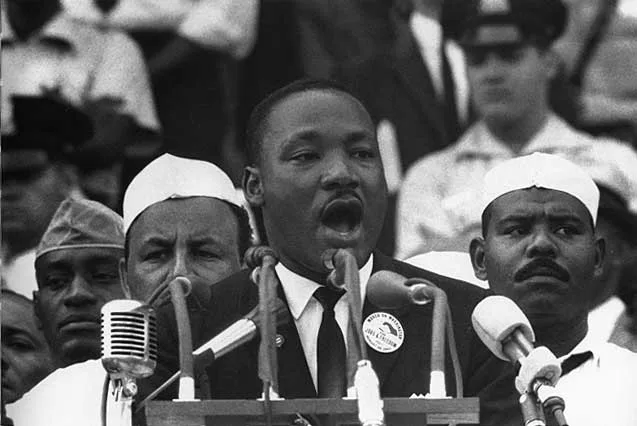
同じ語句を 複数の文の冒頭 で繰り返す技法。 リズムと強調を生みます。
名演説例 — Martin Luther King Jr. (1963)
I have a dream that one day this nation will rise up ... I have a dream that one day on the red hills of Georgia ... I have a dream that my four little children will one day live in a nation ...
訳: 私には夢がある。 いつの日かこの国が立ち上がる ... / 私には夢がある。 いつの日かジョージア州の赤い丘で ... / 私には夢がある。 私の 4 人の子供がいつの日か ...
効果
- 記憶に残す (聞き手が復唱できる)
- 感情を高める (反復が高揚を生む)
- 構造を明確化 (聞き手が次の文を予想できる)
essay での応用
Education matters. Education breaks the cycle of poverty. Education opens doors that no other key can open. Education is freedom.
2. chiasmus (交差配列)
「A → B、 B → A」 の順で語順を反転させて対比する技法。 ABBA 構造。
名言例
- John F. Kennedy (1961): "Ask not what your country can do for you, ask what you can do for your country."
- 訳: 国が君のために何ができるかではなく、 君が国のために何ができるかを問え。
- 構造: [country can do] for you → [you can do] for country
他の例
- "We do not stop playing because we grow old; we grow old because we stop playing." (George Bernard Shaw)
- "When the going gets tough, the tough get going." (going → tough → tough → going)
効果
- 記憶に残す 強いインパクト
- 対比を 印象的に 表現
- 哲学的な響き を生む
3. oxymoron (撞着語法)
矛盾する 2 語 を並べて強い印象を与える技法。
例 (英語)
| Oxymoron | 訳 | 解説 |
|---|---|---|
| bittersweet | ほろ苦い甘さ | 別離や卒業の感情 |
| deafening silence | 耳をつんざく静寂 | 重大な沈黙 |
| open secret | 公然の秘密 | 皆が知る 「秘密」 |
| living dead | 生ける屍 | ゾンビ・無気力 |
| jumbo shrimp | 巨大な小エビ | サイズ矛盾 |
| cruel kindness | 残酷な親切 | 「あえて厳しく」 |
| organized chaos | 整然とした混沌 | カオス工場 |
文学例
- Shakespeare Romeo and Juliet: "Parting is such sweet sorrow."
- 訳: 別離はこれほど甘美な悲しみだ。
効果
- 複雑な感情 を一瞬で表現
- 読者を立ち止まらせる
- 詩的な印象
4. antithesis (対比強調)
正反対の概念 を並べて対比を鮮明にする技法。 chiasmus が語順反転なのに対し、 antithesis は意味の対比。
名言例
- Charles Dickens A Tale of Two Cities (冒頭): "It was the best of times, it was the worst of times."
- 訳: 最良の時であり、 最悪の時でもあった。
- Neil Armstrong (1969): "That's one small step for [a] man, one giant leap for mankind."
- 訳: 一人の人間にとっての小さな一歩、 しかし人類にとっての大きな飛躍。
essay での応用
Technology has connected us across continents, yet it has isolated us within our own homes.
訳: テクノロジーは大陸をまたいで私たちを結びつけたが、 同時に私たちを自らの家の中で孤立させた。
5. metaphorと simile (比喩)
| 種類 | 説明 | 例 |
|---|---|---|
| simile (直喩) | "like" / "as" を使う | He fought like a lion. |
| metaphor (隠喩) | 直接同一視 | He was a lion in battle. |
名言メタファー
- Shakespeare As You Like It: "All the world's a stage, and all the men and women merely players."
- 訳: 世界はすべて舞台、 男女はみな役者にすぎない。
- Forrest Gump: "Life is like a box of chocolates. You never know what you're gonna get." (simile)
効果
- 抽象的概念を具体化 (life → chocolates)
- イメージを喚起
- 記憶に残す
大事: メタファーは 「死んだメタファー」 (foot of a mountain, head of a department) と 「生きたメタファー」 (新鮮な比喩) に分かれる。 essay では生きたメタファーを目指し、 cliché (使い古し) を避ける。
6. parallelism (並列構造)
文法構造が同じ 句を並べる技法。 anaphora と似ているが、 anaphora は 「冒頭の語句」、 parallelism は 「文法構造全体」 が揃う。
例
- Lincoln Gettysburg Address (1863): "government of the people, by the people, for the people"
- 訳: 人民の、 人民による、 人民のための政府
- Veni, vidi, vici (Caesar): "I came, I saw, I conquered." (3 つの動詞を並列)
essay での応用
| ❌ 並列が崩れた文 | ✅ 並列が揃った文 |
|---|---|
| I like reading, to swim, and hiking. | I like reading, swimming, and hiking. |
| The new policy will reduce costs, increase efficiency, and we will see better results. | The new policy will reduce costs, increase efficiency, and improve results. |
効果
- リズム を生む
- 要素が同等と強調
- 記憶しやすい
7. rhetorical question (修辞疑問)
答えを期待しない 質問。 聞き手に考えさせ、 同意を引き出す。
例
- Shakespeare The Merchant of Venice: "If you prick us, do we not bleed?"
- 訳: 我々々を刺せば血が出るではないか?
- Sojourner Truth (1851): "Ain't I a woman?"
- 訳: 私は女ではないの?
essay での応用
Can we really afford to ignore climate change for another decade? What kind of world will our grandchildren inherit?
訳: 我々は本当に気候変動をもう 10 年無視する余裕があるのだろうか。 我々の孫はどのような世界を受け継ぐことになるのか。
効果
- 読者に内省させる
- 同意を仮定 (相手が "No" と答えることを想定)
- 論を進める接続詞的役割
注意: 連発すると押し付けがましくなる。 1 essay に 2〜3 個が限度。
8. hyperbole (誇張) と understatement (控え目)
| 技法 | 説明 | 例 |
|---|---|---|
| hyperbole | 極端な誇張 | "I've told you a million times!" |
| understatement | 重大さを控え目に | "It's just a flesh wound." (実際は重傷) |
| litotes | 否定で肯定を強調 | "Not bad" (= very good); "He is no fool." (= very clever) |
効果
- hyperbole: 強調・コミカル
- understatement: イギリス的ユーモア・皮肉
- litotes: 控え目な賛美
ポイント: アカデミックライティングでは hyperbole は避ける。 "millions of studies show ..." と書かず "many studies show ..."。
9. allusion (典拠)
歴史・文学・神話等への 暗黙の言及。 教養を共有する読者との距離を縮める。
例
- 聖書由来: "a good Samaritan" (= 困った人を進んで助ける親切な人)
- ギリシャ神話: "Achilles' heel" (= 致命的弱点)
- シェークスピア: "To be or not to be — that is the question."
- 歴史: "It was his Vietnam." (= 抜け出せない泥沼)
効果
- 共有知識 で一瞬に意味が伝わる
- 教養の印象
- 比喩を短く凝縮
大事: Allusion は 「読者が知っている ことが前提」。 アメリカの高校生を想定するか、 国際的読者を想定するかで使える allusion が変わる。
10. tricolon (3 つ組)
3 つの要素を並列 する技法。 「3」 という数字が人間の記憶に最も残りやすいことが知られています。
名言例
- Caesar: "Veni, vidi, vici." (来た、 見た、 勝った)
- Lincoln: "of the people, by the people, for the people"
- France: "Liberté, Égalité, Fraternité" (自由、 平等、 友愛)
- Obama (2008): "Yes, we can."
- Apple (Steve Jobs): "iPod. Phone. Internet communicator. ... iPhone." (3 要素を統合)
強い tricolon の条件
- 3 要素が 同じ文法構造 (parallelism と組み合わせ)
- 音のリズム が揃う (短-短-長が多い)
- 最後の要素がクライマックス (Veni → vidi → vici)
11. 統合例 — 名演説を分析
Steve Jobs Stanford Commencement (2005) 抜粋:
"Your time is limited, so don't waste it living someone else's life. Don't be trapped by dogma — which is living with the results of other people's thinking. Don't let the noise of others' opinions drown out your own inner voice. And most important, have the courage to follow your heart and intuition. They somehow already know what you truly want to become. Everything else is secondary."
技法分析
| 技法 | 該当部分 |
|---|---|
| anaphora | "Don't ..." × 3 (反復開始) |
| parallelism | "be trapped by dogma" / "let the noise drown out" (動詞 + 名詞句並列) |
| metaphor | "the noise of others' opinions drown out your inner voice" (騒音と内なる声) |
| antithesis | "courage to follow your heart" vs "everything else is secondary" |
| tricolon | "Don't waste / Don't be trapped / Don't let" |
ポイント: 名演説は 1 段落に 5 つ以上の修辞技法が 無意識に 重なっています。 essay でも 「気付かない程度に」 自然に織り込むことが目標。
12. 練習
下の essay 1 段落を、 anaphora と tricolon を使って書き換えてみましょう。
元文: "We need to act on climate change. The science is clear. The consequences are severe. There is no time to delay."
改良例
The science is clear. The consequences are severe. The time for action is now. We must act, not because it is easy, but because it is necessary. We must act, not for ourselves, but for our children. We must act, because the alternative is unthinkable.
次章予告: 第 8 章では 本格プレゼンテーション (storytelling・rhetorical questions・pacing) を学びます。 TED 講演スタイルの構成と練習法に入ります。
まとめ — 修辞技法 (Rhetorical Devices) を 3 行で
- 反復系は anaphora (文頭反復)・parallelism (構造並列)・tricolon (3 つ並び) でリズムを作り、 演説の説得力を高める。
- 対比系は antithesis (対立)・chiasmus (X-Y-Y-X 交差)・oxymoron (矛盾語結合) で印象を強め、 比喩系は metaphor や hyperbole で感情に訴える。
- rhetorical question で聴衆に考えさせ、 allusion で知的な共鳴を生み、 名演説は 1 段落に 5 つ以上の技法が無意識に重なる — essay でも自然に織り込むのが目標。