この章で学ぶこと
英語のリスニング力は、 入試・英検 1 級・[TOEFL]・[IELTS]等で必須。 大学入学後も、 国際的活動で必要となります。
第 9 章では、 アカデミックリスニング (学術的リスニング) の型と技術を学びます。
- 大学講義の典型構造と標識表現
- パネル討論・インタビューの聞き取り
- [TED] talk スタイルのスピーチパターン
- ノートテイキング ([note-taking]) 技術
ポイント: リスニングは 「全部聞き取る」 ことではなく 「必要な情報を拾う」 こと。 話し手が使う 標識表現 を拾うのが鍵。
1. 大学講義の典型構造
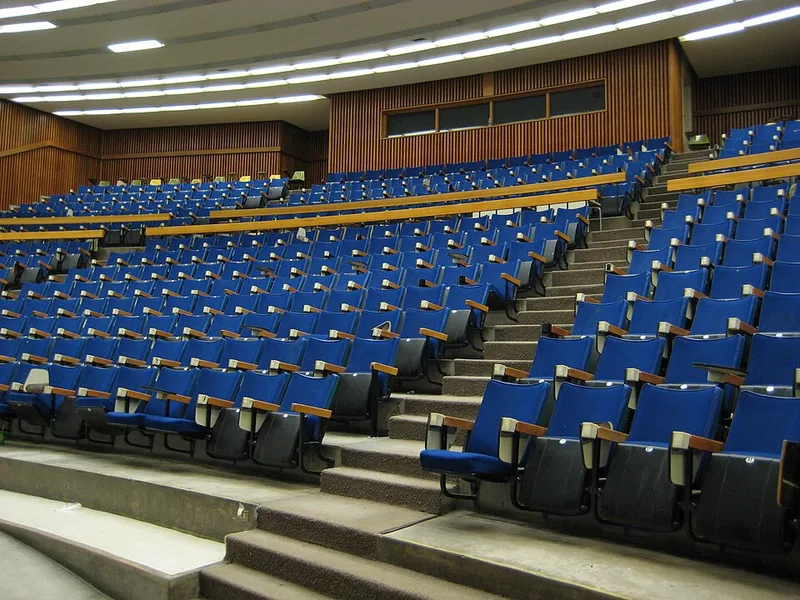 academic listening は講義 (lecture)・パネル討論 (panel discussion)・TED Talk など学術的話題の聴解。 大学入試 (共通テスト・難関大二次)・留学後の授業で必須の力。
典型的な講義の流れ
| 部分 | 内容 | 典型表現 |
|---|
| 導入 | 挨拶・テーマ提示 | "Good morning, everyone. Today, we're going to talk about ..." |
| 全体像提示 | 本日の構成 | "I'll cover three main points today." |
| 本論 | 各ポイントの説明 | "First, ... Second, ... Finally, ..." |
| まとめ | 要点整理 | "Let me summarize what we've covered." |
| 結び | 次回予告・質疑応答 | "Next week, we'll look at ... Any questions?" |
標識表現 ([signposting])
講義者は どこにいるか を常に示します。 これらの表現を拾うと迷わない。
トピック導入
| 英文 | 訳 |
|---|
| Today's topic is ... | 本日のテーマは |
| We're going to focus on ... | … に焦点を当てる |
| Let me start by saying that ... | … と述べることから始めよう |
構成予告
| 英文 | 訳 |
|---|
| There are three main points I want to discuss. | 議論したい主要点が 3 つある |
| First, ... Second, ... Finally, ... | 第一に … 第二に … 最後に |
| I'll divide this lecture into four parts. | この講義を 4 部に分ける |
移行 ([transition])
| 英文 | 訳 |
|---|
| Moving on to the next point, ... | 次のポイントに移ると |
| Now let's turn to ... | では … に移ろう |
| This brings us to ... | これが我々を … へと導く |
| Having said that, ... | そう言っておいて |
強調
| 英文 | 訳 |
|---|
| What's important here is ... | ここで重要なのは |
| I want to emphasize that ... | … を強調したい |
| Notice that ... | … に注意せよ |
| Don't forget that ... | … を忘れるな |
結論・まとめ
| 英文 | 訳 |
|---|
| In summary ... | 要約すると |
| To wrap up ... | 締め括ると |
| The key takeaway is ... | 要点は |
| What we've seen today ... | 今日見てきたのは |
2. パネル討論の聞き取り
パネル討論の構造
司会 ([moderator]) と複数の専門家 ([panelists]) が特定テーマを議論。
| 役割 | 典型表現 |
|---|
| 司会 | "Welcome to the panel. Let me introduce our panelists." |
| 紹介促し | "Could you start by telling us about your view on ...?" |
| 深掘り | "Could you elaborate on that point?" |
| 次のパネリストへ | "Now, let me bring in Dr. Smith. What do you think?" |
| 質疑応答 | "We're going to open the floor for questions." |
複数話者の聞き分け
- 声の高さ: 男女別 / 高音低音
- 訛: 米語 / 英語 / 豪州英語 / 印度英語
- 話す速度: 人によって明らかに違う
パネリストの意見対立パターン
| 英文 | 訳 |
|---|
| I completely agree with you on that point. | その点君に完全に同意する |
| I have to disagree with my colleague here. | この点は同僚に反対せねばならない |
| That's an interesting point, but ... | 興味深い指摘だが |
| I see things differently. | 私は違う見方をする |
| Let me play devil's advocate for a moment. | 敢えて反対意見を出そう |
3. [TED] Talk スタイル
[TED] Talk の典型構造
[TED] (Technology, Entertainment, Design) は世界的なスピーチプラットフォーム。 18 分以内で強いメッセージを伝える型が確立されています。
| パート | 役割 | 秒数目安 |
|---|
| [Hook] | 聴衆を引き込む冒頭 | 0–60 秒 |
| [Story] | 個人的エピソード | 1–3 分 |
| [Idea] | メインメッセージ | 3–10 分 |
| [Evidence] | 根拠・データ | 10–15 分 |
| [Call to action] | 行動呼び掛け | 15–18 分 |
典型な[Hook] ([つかみ])
| 英文 | 訳 |
|---|
| Imagine that you wake up tomorrow and ... | 明日起きると … と想像してみて |
| Have you ever wondered why ...? | … と不思議に思ったことはないか? |
| Five years ago, my life changed forever. | 5 年前、 私の人生は永遠に変わった |
| There is a number I want you to remember. | 覚えておいてほしい数字がある |
典型な[Call to Action]
| 英文 | 訳 |
|---|
| So I challenge you to ... | だから私は君に … する挑戦を呼び掛ける |
| The choice is ours. | 選択は我々次第 |
| Together, we can ... | 共に、 我々は … できる |
| Thank you. (締め) | ありがとう (拍手合図) |
4. ノートテイキング技術
大原則
ノートを 完全文 で取ろうとしない。 略語・記号・キーワードで素早く。
標準略号
| 略号 | 意味 | 略号 | 意味 |
|---|
| & | and | w/ | with |
| + | plus, also | w/o | without |
| − | minus, not | vs | versus |
| = | equals, is | etc | et cetera |
| ≠ | is not | i.e. | that is |
| → | leads to, causes | e.g. | for example |
| ↑ | increase | b/c | because |
| ↓ | decrease | thru | through |
| # | number | @ | at |
| info | information | govt | government |
構造的ノートパターン
(1) コーネルメソッド
ページを3 領域に分ける:
- ノート欄 (右側大きい): 講義内容
- キーワード欄 (左側狭い): 後で書き加える質問・キーワード
- 要約欄 (下部): 講義後に 1 文で要約
(2) マインドマップメソッド
中央にテーマ、 枝にサブトピック、 子枝に詳細。 視覚的な関連付けが得意.
リスニング中のノート例
講義: "Today I'll talk about climate change. There are three causes: fossil fuels, deforestation, and agriculture."
ノート:
Topic: climate change
3 causes:
  1) fossil fuels
  2) deforestation
  3) agriculture
5. リスニング訓練法
シャドーイング ([shadowing])
音声を聞きながら 0.5–1 秒遅れで真似て発音 する。 リスニングと発音を同時に訓練。
ディクテーション ([dictation])
音声を聞いて 一字一句書き取る。 細部の聞き取り力を鍛える。
連結・消失・同化の習得
| 現象 | 例 | 説明 |
|---|
| 連結 (linking) | "an apple" → /əˈnæpəl/ | 子音と母音が繋がる |
| 消失 (elision) | "next day" → /ˈnek deɪ/ | 子音が省略 |
| 同化 (assimilation) | "did you" → /ˈdɪdʒu/ | 音が近い音に変わる |
| 弱形 (weak forms) | "to" → /tə/, "and" → /ən/ | 機能語が弱まる |
大事: 入試リスニングで聞き取れない一番の原因は これらの音変化を知らない こと。 文字上の発音と実際の発音の差を意識する。
6. リスニング問題タイプ別攻略
(1) 短会話 ([1–2]往復)
- 最後の発話 が答えの鍵となることが多い
- 選択肢を先に読む
(2) 長会話 / 対話
- 話者二人の関係 (友人 / 上司部下等) を掴む
- 複数設問があるのでメモ必須
(3) モノローグ (1 人の長話)
- 標識表現 ("First", "However") を拾う
- 全体構造 (起承転結) を意識
(4) 図表付き問題 (共通テスト)
- 音声前に 図表を予め見て 予想を立てる
- 数字・年代・人名を聞き逃さない
まとめ
- 大学講義: 標識表現 ("First", "Moving on", "In summary") を拾う
- パネル討論: 複数話者の対立・同意パターンを掴む
- [TED] talk: Hook → Story → Idea → Evidence → Call to action
- ノートテイキング: 略号・記号・コーネルメソッド
- シャドーイング・ディクテーションで音変化 (連結・消失・同化) を習得
- 入試リスニング: 選択肢先読 + 図表予見必須
次章予告: 第 10 章 (最終) では、 小論文・自由英作文 (5 段落型エッセイ) を学びます。