
学術的話題: 時事・歴史・国際情勢の英文読解
最終確認日:
この章で学ぶこと
英語コミュニケーションIIIは、 高校英語の最上位科目です。 大学入試 (国公立二次・難関私大) で出題されるレベルの英文、 つまり 学術的なトピック (時事・歴史・国際情勢・科学など) を扱います。
第 1 章では、 その 学術的英文を正確に読み解く力 を養います。
- 学術英語の特徴 (トピックセンテンス・抽象名詞・受動態) を理解する
- 時事英語 (CNN・BBC・The Economist等) の典型表現を学ぶ
- 歴史英語 (the Industrial Revolution / the Cold War等) の定番用語を押さえる
- 国際情勢 (国連・気候変動・紛争) の英文を読める
ポイント: III の英文は 抽象度が高く、 一文が長い のが特徴。 「だれが・何を・どうした」 を素早く掴む 構造把握力 が鍵となります。
1. 学術英語の 3 大特徴
(1) トピックセンテンスが段落の先頭に来る
英語の学術文 (essay / article / paper) では、 各段落の 最初の 1 文がその段落の主張 を表すというルールがあります。 これを トピックセンテンス と呼びます。 残りの文はその主張を支える サポーティングセンテンス です。
| 英文 | 訳 |
|---|---|
| Climate change is the greatest challenge of our time. It threatens food production, biodiversity, and human health. According to the IPCC report, global temperatures have risen by about 1.1°C since the pre-industrial era (1850–1900). | 気候変動は現代最大の課題である。 食料生産、 生物多様性、 人の健康を脅かしている。 IPCC 報告書によれば、 産業革命前 (1850〜1900 年) と比べて、 地球の平均気温は約 1.1℃ 上昇した。 |
読解のコツ: 時間がない時は 各段落の 1 文目だけ を拾えば全体の骨子が掴めます (スキミングと言う)。
(2) 抽象名詞が多用される
学術英語では 動詞ではなく名詞で概念を表す 傾向があります。 これを名詞化 (nominalization) と呼びます。
| 日常表現 (動詞中心) | 学術表現 (名詞中心) |
|---|---|
| The economy grew rapidly. | The economy showed rapid growth. |
| Prices went up because demand increased. | The rise in prices was caused by an increase in demand. |
| We need to think about how to reduce waste. | Consideration of waste reduction is necessary. |
抽象名詞 (growth / rise / consideration / implementation 等) が主語や目的語になるため、 文が 重く・長く・客観的 になります。
(3) 受動態が多い
研究や報道では 「だれが」 より 「何が行われたか」 に焦点が当たるため、 受動態が多用されます。
| 英文 | 訳 |
|---|---|
| The vaccine was developed by a team of scientists in 2020. | そのワクチンは 2020 年に科学者チームによって開発された。 |
| Several factors must be considered when analyzing the data. | データを分析する際にはいくつかの要因が考慮されなければならない。 |
| It is widely believed that climate change is human-caused. | 気候変動は人為的であると 広く信じられている。 |
大事: 「It is + 過去分詞 + that ...」 の形 ("It is said that ..." 「... と言われている」 等) は学術・時事英語の定番表現。
2. 時事英語の典型表現
ニュース英語の構造 (逆三角形)
新聞・通信社のニュース記事は 重要な情報を最初に、 詳細を後に 並べる 逆三角形 (inverted pyramid) 構造を取ります。
| ブロック | 内容 |
|---|---|
| Lead (リード、 第 1 段落) | 5W1H (Who / What / When / Where / Why / How) を 1〜2 文で凝縮 |
| Body (本文) | 詳細・背景・関係者のコメント |
| Background (背景) | 関連する過去の出来事 |
リードの例 (架空)
| 英文 | 訳 |
|---|---|
| TOKYO — The Japanese government announced on Wednesday that it will gradually reduce its reliance on coal by 2040, citing growing international pressure to combat climate change. | 東京発 — 日本政府は水曜日、 気候変動対策への国際的圧力の高まりを理由に挙げ、 2040 年までに石炭への依存を段階的に減らすと発表した。 |
時事英語の頻出動詞
| 動詞 | 意味 | 使用例 |
|---|---|---|
| announce | 発表する | The president announced new tax cuts. |
| declare | 宣言する | The WHO declared the pandemic over. |
| urge | 促す | The UN urged member states to act. |
| condemn | 非難する | World leaders condemned the attack. |
| launch | 開始する | The company launched a new service. |
| pledge | 誓う・誓約する | Japan pledged ¥1 billion in aid. |
時事英語の頻出名詞
| 名詞 | 意味 |
|---|---|
| summit | 首脳会議 |
| treaty | 条約 |
| sanction | 制裁 |
| refugee | 難民 |
| diplomacy | 外交 |
| ceasefire | 停戦 |
| turnout | 投票率・参加者数 |
| recession | 景気後退 |
3. 歴史英語の定番用語
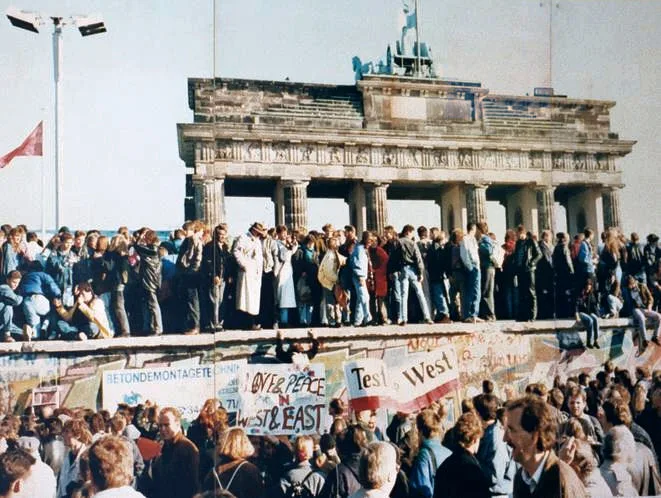
主要な歴史用語 (theが付くことが多い)
| 英語 | 日本語 | 補足 |
|---|---|---|
| the Industrial Revolution | 産業革命 | 18 世紀後半英国から始まる |
| the French Revolution | フランス革命 | 1789 年 |
| the American Civil War | 南北戦争 | 1861–1865 |
| World War I / II | 第一 / 二次世界大戦 | I = the First World War |
| the Cold War | 冷戦 | 1945–1991 (米ソ対立) |
| the Renaissance | ルネサンス | 14–17 世紀文芸復興 |
| the Reformation | 宗教改革 | 16 世紀、 ルターら |
| the Enlightenment | 啓蒙思想 | 17–18 世紀 |
| the Meiji Restoration | 明治維新 | 1868 年 |
歴史英文の典型構造
| 英文 | 訳 |
|---|---|
| The Industrial Revolution, which began in Britain in the late 18th century, transformed not only the economy but also social structure. | 産業革命は、 18 世紀後半に英国で始まったが、 経済だけでなく社会構造をも変えた。 |
| It is often argued that the Cold War shaped international politics for nearly half a century. | 冷戦は約半世紀にわたって国際政治を 形作った としばしば論じられる。 |
ポイント: 歴史英文では 関係代名詞 (which / who) の非制限用法 (前にコンマ) と 過去形・過去完了形 が頻繁に出ます。
4. 国際情勢の英文
国連関連の略語
| 略語 | フルネーム | 意味 |
|---|---|---|
| UN | United Nations | 国際連合 |
| UNESCO | United Nations Educational, Scientific and Cultural Organization | 国連教育科学文化機関 |
| WHO | World Health Organization | 世界保健機関 |
| WTO | World Trade Organization | 世界貿易機関 |
| IMF | International Monetary Fund | 国際通貨基金 |
| NATO | North Atlantic Treaty Organization | 北大西洋条約機構 |
| IPCC | Intergovernmental Panel on Climate Change | 気候変動に関する政府間パネル |
気候変動関連表現
| 英文 | 訳 |
|---|---|
| Greenhouse gas emissions must be reduced to limit global warming to 1.5°C. | 地球温暖化を 1.5℃ に抑えるためには、 温室効果ガス排出 を削減しなければならない。 |
| Many countries have pledged to achieve carbon neutrality by 2050. | 多くの国が 2050 年までに カーボンニュートラルを達成すると誓っている。 |
| Renewable energy sources such as solar and wind power are expanding rapidly. | 太陽光や風力といった 再生可能エネルギー源 が急速に拡大している。 |
5. 長文読解の戦略
ディスコースマーカー (論理標識) を拾う
長文では 論理の流れを示す接続表現 が重要です。
| マーカー | 意味 | 例 |
|---|---|---|
| However / Nevertheless | しかし | 逆接 |
| Therefore / Thus | だから | 結論 |
| For example / For instance | 例えば | 具体例 |
| In contrast / On the other hand | 対照的に | 対比 |
| Moreover / Furthermore | さらに | 追加 |
| In conclusion / To sum up | 結論として | 結め |
| Despite / Although | … にもかかわらず | 譲歩 |
パラグラフリーディングの手順
- タイトル・見出し を読んでテーマを予想
- 各段落の 1 文目 (トピックセンテンス) だけを拾って全体の骨子を掴む
- 設問を読んでから 本文の該当箇所を集中的に読む
- ディスコースマーカーの前後に注意 (主張の転換が起こりやすい)
大事: 国公立二次や難関私大では 600〜1000 語の長文を 30〜40 分で処理 する必要があります。 全訳ではなく、 設問が求める情報だけを取りに行く 姿勢が鍵。
6. 練習: ミニ英文で構造を掴む
練習文 1 (時事)
| 英文 | 訳 |
|---|---|
| According to a recent UN report, more than 700 million people worldwide are still living in extreme poverty, despite decades of economic growth. | 最近の国連報告 によれば、 何十年もの経済成長 にもかかわらず、 世界で 7 億人以上が依然として極度の貧困の状態にある。 |
読み取りのポイント: "According to ..." は出典を示す定番表現。 "despite + 名詞" は譲歩 (「… にもかかわらず」)。
練習文 2 (歴史)
| 英文 | 訳 |
|---|---|
| The Meiji Restoration, which took place in 1868, marked a turning point in Japanese history, as it transformed a feudal society into a modern nation-state. | 1868 年に起こった 明治維新は、 封建社会を近代国家へと変貌させた ため、 日本史の転換点となった。 |
読み取りのポイント: "which ..." は非制限用法、 "as" は理由 (「… なので」)。
練習文 3 (国際情勢)
| 英文 | 訳 |
|---|---|
| It is widely recognized that climate change disproportionately affects the world's poorest countries, which have contributed the least to greenhouse gas emissions. | 気候変動が世界の最も貧しい国々に不均衡に影響を及ぼしていることは 広く認められている が、 その国々 こそ 温室効果ガス排出への貢献が最も少ない。 |
読み取りのポイント: "It is widely recognized that ..." = 「… と広く認められている」。 "disproportionately" = 「不均衡に」 (難単語だが頻出)。
まとめ
- 学術英語の 3 大特徴: トピックセンテンス先頭・抽象名詞多用・受動態多用
- 時事英語: 逆三角形 構造、 announce / declare / pledge / urge 等の頻出動詞
- 歴史英語: the Industrial Revolution / the Cold War 等の定番用語、 関係代名詞非制限用法
- 国際情勢: 国連関連略語 (UN / WHO / IPCC) と気候変動表現
- 長文読解: ディスコースマーカーを拾い、 パラグラフリーディングで効率化
次章予告: 第 2 章では、 英語文学の古典 (Shakespeare / Wordsworth / Whitman 抜粋) を読み、 文学的な言い回しに触れます。
学習ロードマップ(10件)
- 1学術的話題: 時事・歴史・国際情勢の英文読解
- 2詩と文学: Shakespeare / Wordsworth / Whitman
- 3文化と国際理解: 異文化比較・Global Issues
- 4修辞技法・婉曲表現
- 5比喩と換喩: metaphor / metonymy / simile / personification
- 6ディベート表現: claim / evidence / refutation
- 7論文構造分析: abstract / introduction / methodology
- 8速読と要約: skimming / scanning / paraphrasing
- 9アカデミックリスニング: 講義・パネル討論・TED Talk
- 10小論文・自由英作文: 5-paragraph essay