社会問題: 人権・労働・教育 (英文読解)
最終確認日:
この章で学ぶこと
第 1 章の環境・科学技術に続いて、 第 2 章では 社会問題 を扱う英文を読みます。 入試 (共通テスト・国公立二次・私大) では 「人権・労働・教育・格差・移民」 といったテーマが必ず出題されます。
- 人権 (human rights) の基本概念を英語で説明できる
- ジェンダー平等 (gender equality) と SDGs の関係を理解する
- 働き方改革 (work-style reform)・ワークライフバランスを語彙として持つ
- 教育格差 (educational inequality) と機会均等を英文で読み取れる
- 抽象名詞 (right, equality, opportunity 等) を含む文を構造的に把握できる
ポイント: 社会問題系の英文では 抽象名詞 が主語になることが多い (例:
Equality is essential.)。 動詞とセットで 「何がどうである」 をつかむ練習をしましょう。
1. 人権とは (Human Rights)
英文 (1): Human rights are the basic rights and freedoms that belong to every person in the world, from birth until death. They apply regardless of nationality, race, gender, religion or any other status.
| 英 | 訳 |
|---|---|
| Human rights are the basic rights and freedoms | 人権とは、 基本的な権利と自由であり、 |
| that belong to every person in the world, from birth until death. | 世界中のあらゆる人に、 生誕から死亡まで属するものである。 |
| They apply regardless of nationality, race, gender, religion or any other status. | それらは、 国籍・人種・性別・宗教などの地位に関わらず適用される。 |
重要構文・語彙
A and B that ~= 関係代名詞 (A と B 両方を修飾)belong to ~= 「〜 に属する」regardless of ~= 「〜 に関わらず」 = irrespective ofnationality国籍 /race人種 /gender性別 /religion宗教
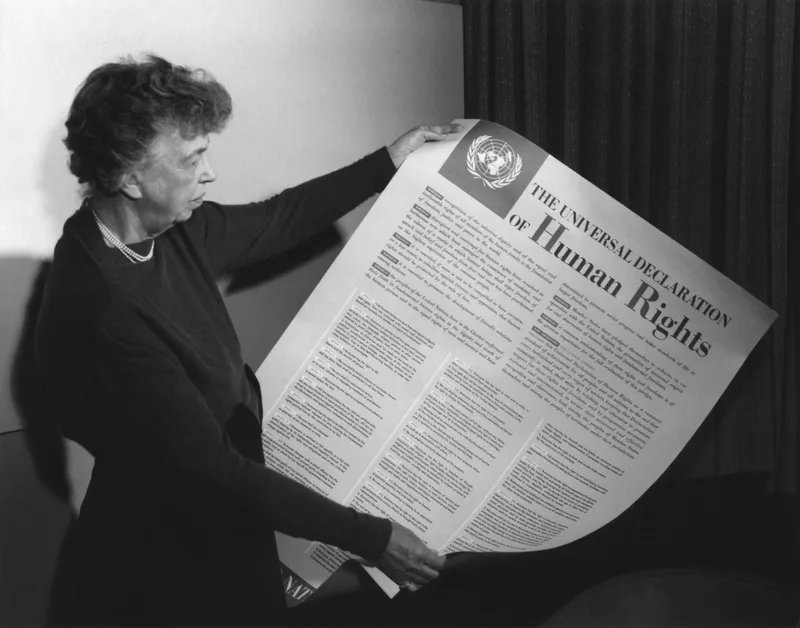
英文 (2): The Universal Declaration of Human Rights, adopted by the United Nations in 1948, has become the foundation of international human rights law.
| 英 | 訳 |
|---|---|
| The Universal Declaration of Human Rights, adopted by the United Nations in 1948, | 世界人権宣言は、 1948 年に国際連合で採択され、 |
| has become the foundation of international human rights law. | 国際人権法の基礎となってきた。 |
adopted by ~= 過去分詞の後置修飾 (= which was adopted by ~)has become= 現在完了 (結果)
2. ジェンダー平等 (Gender Equality)
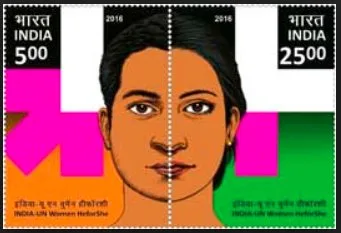
英文 (3): Gender equality means that women and men have equal access to opportunities and resources, including education, employment and political participation. According to the United Nations, no country in the world has yet achieved full gender equality.
| 英 | 訳 |
|---|---|
| Gender equality means that women and men have equal access to opportunities and resources, | ジェンダー平等とは、 女性と男性が機会と資源へ等しくアクセスできることを意味する、 |
| including education, employment and political participation. | 教育・雇用・政治参加を含めて。 |
| According to the United Nations, | 国際連合によれば、 |
| no country in the world has yet achieved full gender equality. | 世界で完全なジェンダー平等を達成した国はまだ一つもない。 |
重要構文・語彙
equal access to ~= 「〜 への平等なアクセス」including ~= 例示 (= for example)according to ~= 「〜 によれば」no country has yet achieved ~= 「まだ一つの国も達成していない」 (現在完了 + no)
SDGs とジェンダー (頻出語彙)
| 英 | 訳 |
|---|---|
| equality | 平等 |
| discrimination | 差別 |
| harassment | ハラスメント・嫌がらせ |
| empowerment | エンパワーメント (権利・力の付与) |
| stereotype | 固定観念 |
| diversity | 多様性 |
| inclusion | 包摂 (誰も排除しない) |
3. 働き方改革とワークライフバランス
英文 (4): In Japan, long working hours have been a serious social issue for decades. The work-style reform, introduced in 2019, set legal limits on overtime and encouraged a better work-life balance.
| 英 | 訳 |
|---|---|
| In Japan, long working hours have been a serious social issue for decades. | 日本では、 長時間労働が数十年にわたって深刻な社会問題となってきた。 |
| The work-style reform, introduced in 2019, | 2019 年に導入された働き方改革は、 |
| set legal limits on overtime and encouraged a better work-life balance. | 残業時間に法的な上限を設け、 ワークライフバランスの改善を促うながした。 |
重要構文・語彙
have been ~ for decades= 「数十年ずっと 〜 である」 (現在完了継続)set limits on ~= 「〜 に制限を設ける」work-life balance= 仕事と私生活の両立overtime= 残業karoshi(過労死) は英語圏でも日本語そのまま使われる
労働関連重要語彙
| 英 | 訳 |
|---|---|
| employment | 雇用 |
| unemployment | 失業 |
| wage / salary | 賃金 / 給料 |
| labor union | 労働組合 |
| productivity | 生産性 |
| flexible work | 柔軟な働き方 |
| remote work / teleworking | 在宅勤務 |
大事: 共通テストのリスニングで 「日本の労働環境」 が出ることがあります。
flexible(柔軟な) ・overtime(残業) ・remote(遠隔) を聞き取れるかがカギ。
4. 教育格差 (Educational Inequality)
英文 (5): Although primary education is free in most countries, gaps in educational opportunities still exist. Children from low-income families often lack access to quality teachers, books and the Internet, which limits their future career choices.
| 英 | 訳 |
|---|---|
| Although primary education is free in most countries, | ほとんどの国で初等教育は無料であるが、 |
| gaps in educational opportunities still exist. | 教育機会の格差はいまだに存在する。 |
| Children from low-income families often lack access to quality teachers, books and the Internet, | 低所得家庭の子供たちは、 質の高い教師・本・インターネットを利用できないことが多く、 |
| which limits their future career choices. | そのことが将来の進路の選択肢を狭せばめている。 |
重要構文・語彙
although ~= 「〜 だが」 (逆接の接続詞)gaps in ~= 「〜 の格差」 (= disparities in)lack access to ~= 「〜 へのアクセスを欠く」, which ~= 非制限用法の関係代名詞 (前文全体を受ける)career choices= 進路の選択
教育関連重要語彙
| 英 | 訳 |
|---|---|
| literacy | 識字率・読み書き能力 |
| compulsory education | 義務教育 |
| higher education | 高等教育 (大学等) |
| scholarship | 奨学金 |
| tuition fee | 授業料 |
| dropout | 中退者 |
| equal opportunity | 機会均等 |
5. 章末まとめ ・ 入試演習
抽象名詞を主語にする英文の攻略
社会問題系の英文では Equality is ~ Discrimination causes ~ のように 抽象名詞が主語 になります。 訳すときは ① 「〜 ということは」 / ② 「〜 が」 / ③ 「人が 〜 することは」 のどれかを試すと自然な日本語になります。
キーワード整理
- 人権: human rights, equality, discrimination, dignity
- ジェンダー: gender equality, empowerment, stereotype, harassment
- 労働: work-style reform, work-life balance, overtime, productivity
- 教育: educational inequality, scholarship, opportunity, literacy
- 接続詞: although, while, however, in contrast, nevertheless
章末練習 (英訳)
- ジェンダー平等はまだ達成されていない。 (Gender equality has not yet been achieved.)
- 残業時間には法律的な上限がある。 (There are legal limits on overtime hours.)
- 教育の機会は全ての子供に平等であるべきだ。 (Educational opportunities should be equal for all children.)
ポイント: 共通テストの長文では 「問題提起 → 原因 → 解決策」 という 3 段構造が鉄板。 段落ごとに 「ここは何を言っているか」 を一言でメモしながら読む訓練をしましょう。